
(Minghui.org) Modesty and virtue were well respected in traditional Chinese culture. Shijing (Classic of Poetry) states, “Those without arrogance will be blessed.” Here are several stories of Guo Ziyi, one of the greatest generals in the Tang Dynasty.
According to the New Book of Tang, Guo Ziyi (697-781) was a renowned official, military strategist, and general. Throughout his career he defeated numerous rebellions while serving under four emperors—Xuanzong, Suzong, Daizong, and Dezong. By defending the borders and fighting on the battlefield, he became a pillar of the nation and was honored as the Prince of Fenyang in 762. He is also historically known as Lord Guo.
Ancestor’s Tomb Plundered
In 767, Guo dealt a decisive defeat to the Tibetan army at Lingzhou (modern-day Ningxia). During his absence, Yu Chaoen, a powerful court eunuch who had a long-standing feud with Guo, took advantage of Guo's absence and sent men to plunder the tomb of Guo’s father. Although the attempt failed, the consequences were serious according to traditional Chinese culture. The entire court grew anxious, knowing that Guo held considerable military power; if he chose to retaliate, no one could stand in his way.
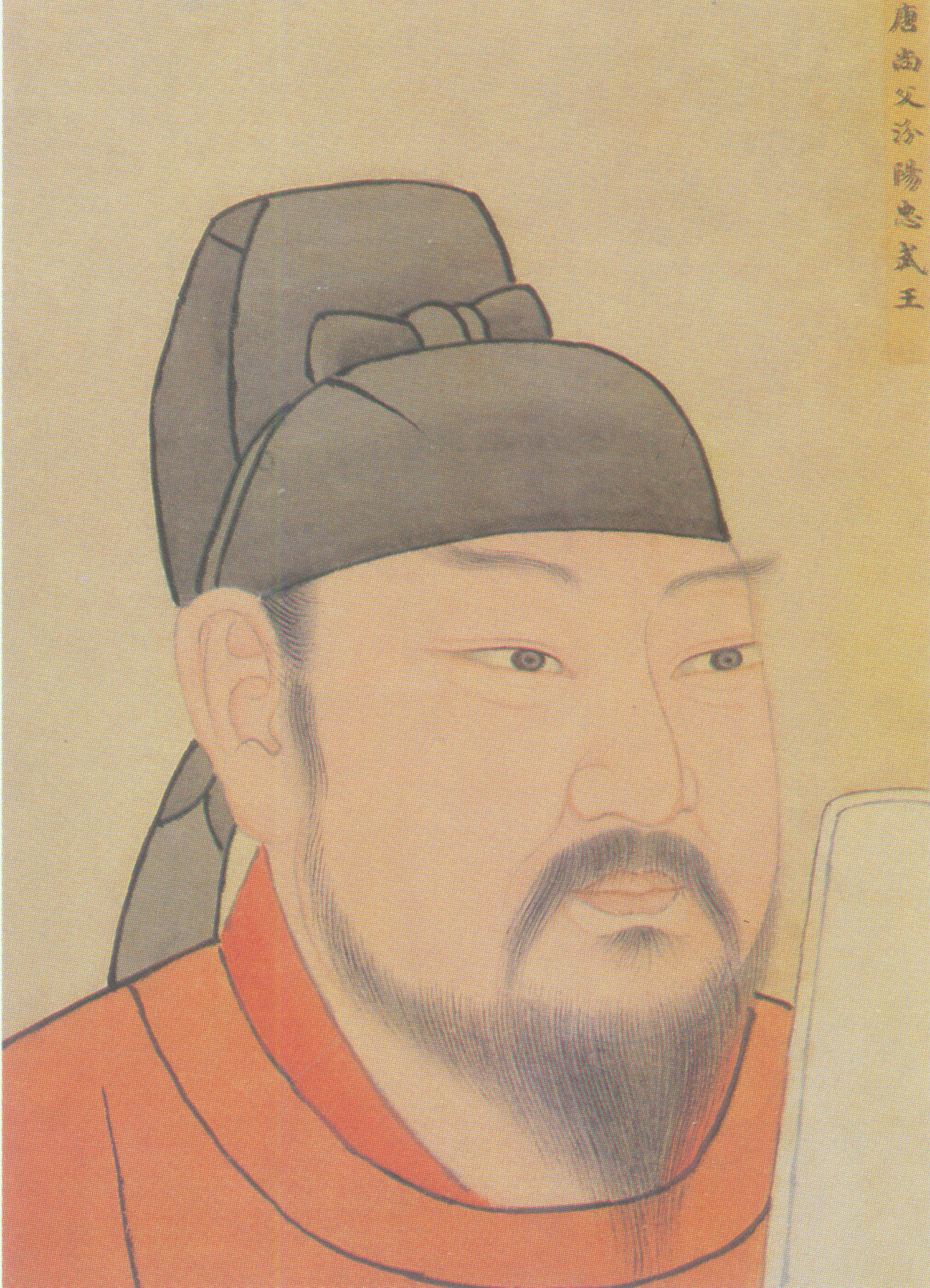 Guo Ziyi
During a casual conversation with Guo, Emperor Daizong brought up the topic of tomb raiding, wanting to see Guo’s reaction. Upon hearing about the soldiers behavior, Guo burst into tears, saying, “I have long commanded troops, yet I have failed to restrain my soldiers from desecrating other people’s graves. Now, someone has desecrated my father’s grave; this is retribution from the divine, not human fault.”
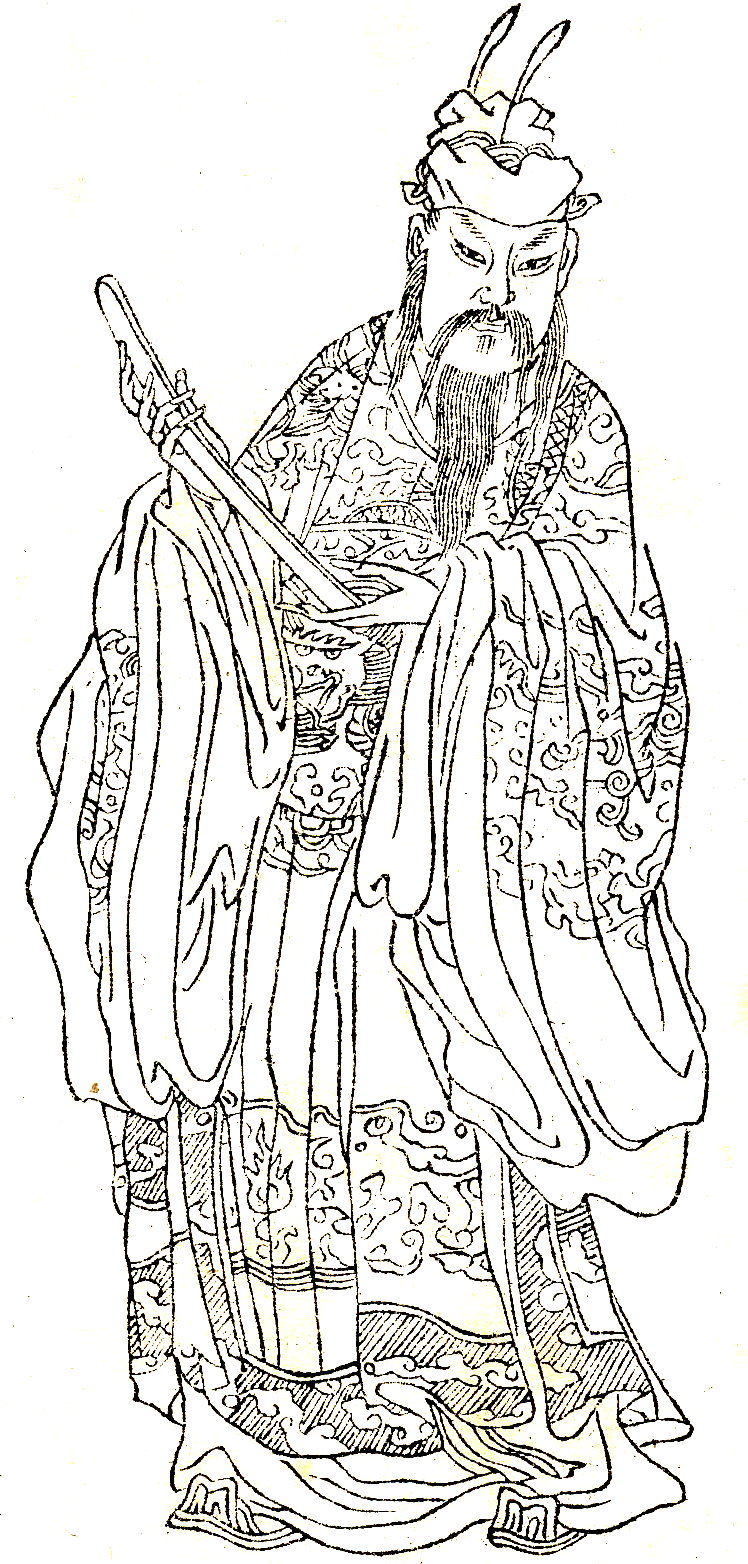 Guo Ziyi
Thus, when his father’s grave was robbed, Guo’s first reaction was the grief of a filial son. His second reaction was not to pursue others for their faults, nor to harbor hatred; instead, he immediately reflected inward and admitted that his own lax leadership of the troops was partly to blame.
Visiting Zhangjing Temple
Guo’s words immediately dispelled the tense atmosphere in the court. In a gesture of reconciliation, Yu Chaoen then invited him to visit Zhangjing Temple with him.
A messenger arrived at Guo’s residence, warning that Yu’s invitation was a plot to assassinate him. Upon hearing this, Guo’s soldiers strongly urged him to bring a large armed escort to the meeting. Unfazed by the rumors, Guo went to the meeting accompanied by only a few servants.
When Guo arrived at Zhangjing Temple, Yu noticed the wary expressions of the servants and curious, inquired what was wrong. Guo shared the rumors he had heard, remarking, “I don’t bother thinking about such unfounded things.”
Guo’s candid explanation moved Yu to tears, who exclaimed, “If it weren’t for a kind and benevolent person like you, how could you not suspect me?”
Faced with the humiliation of his father’s grave being desecrated, Guo did not harbor any desire for revenge despite his high reputation and achievements. Above was just one example. Guo always looked at the big picture, enduring hardship and humiliation to resolve conflicts.
Story of Li Guangbi
Li Guangbi and Guo Ziyi were once officials of the same rank, but a conflict arose between them. Later, when Guo became the military governor of Shuofang, and Li became his subordinate, Li feared that Guo would find a pretext to kill him. But to his surprise, Guo strongly recommended him to the emperor, who then appointed Li as the military governor of Hedong. In addition, Guo also transferred 10,000 elite troops to his command.
It was said that after Guo became the military governor, Li contemplated fleeing. Before he could act however, the emperor ordered him to lead a portion of Guo’s troops on an eastern expedition. Li thought that Guo would definitely not let him off this time. Li pleaded with Guo, “I am willing to die, I only beg you to spare my wife and children.”
Guo took Li’s hand and said, “The country is in great turmoil now. How can this be a time to dwell on personal grudges!” He immediately gave Li his troops. When the two parted, they shook hands and wept, encouraging each other to serve the country.
General Tian Chengsi was known to be arrogant and rude, however he showed great respect to Guo. When Guo’s messenger arrived, Tian pointed to his knees and said, “For many years, my legs have been unyielding, but now I have no choice but to bend them for Lord Guo.”
Guo’s veteran generals, such as Li Huaiguang, were all remarkable in their own right. Guo commanded them with ease, and they respected him akin to that of devoted servants toward their master. Historical records repeatedly mention how the soldiers yearned for Guo’s leadership—“like sons and brothers longing for their fathers and elder brothers,” or “like a drought yearning for rain.”
Modesty and Humility
Guo’s home was located in the capital city of Chang’an, occupying a quarter of the region of the Qinrenli community. Qinrenli was a network of interconnected alleys; Guo’s household, with its three thousand servants, never caused any trouble. People passing through Qinrenli couldn’t even distinguish which house belonged to Guo.
Back in 765, Guo was ordered to defend against the invasion of foreign tribes into the capital region. When the invading Uyghur leader learned that the commander was Guo, he was surprised and said, "How come Guo Linggong is still here? Pugu Huai’en told me that the Tang emperor is gone, and Lord Guo is also gone. China is without a ruler, so I came.”
The Uyghur chieftain requested an audience with Guo. Guo’s generals cautioned that foreign tribes could not be trusted. Guo replied, “They outnumber us many times over. If a war breaks out, we are much weaker. What can we do? Sincerity can move even the divine, let alone foreign tribes.”
Guo rode out slowly for the meeting, accompanied by only a few dozen mounted attendants, and without wearing any armor. Approaching the Uyghurs, he offered words of conciliation. “Are you all well? We have long shared a bond of loyalty and righteousness—what is going on now?” he said. “You appear here fully armed and ready for battle; do you no longer trust me? Why is this?"
The Uyghur soldiers and commanders laid down their weapons, dismounted, and exclaimed, “You are our father!" In this way, hostility was transformed into friendship, and the Tang Dynasty and the Uyghurs restored their former alliance.
Guo served as Chancellor for 27 years, his fate tied to the fate of the nation. He wielded immense power yet the court did not fear him; his achievements surpassed those of the emperor yet the emperor never suspected him; he lived a life of luxury, and no one complained.
Guo enjoyed a life of wealth and honor, his descendants were also healthy and prosperous; he experienced the joys of family life without regrets. After Guo passed away in his 80s, he was honored with a place in Emperor Daizong’s ancestral temple, a position of great prestige. He had eight sons and seven sons-in-law, all of whom held high-ranking official positions. One of his sons, Guo Nuan, even married Princess Shengping, Emperor Daizong’s daughter.
Copyright © 1999-2026 Minghui.org. All rights reserved.
Category: Traditional Culture